Empowering Independence: Designing "Propel", a supportive digital space for personal advancement
Role: UX Designer / Project Manager
Timeline: 4 week sprint
Tools: Figma, Google Docs, Google Sheets
Business Context and Growth Opportunity
Helping the YMCA extend its community impact through on-demand life skills education.
The YMCA sought to expand beyond in-person programming by launching a mobile app that delivers accessible, confidence-building life skills education. Thus empowering members to navigate through adulthood with clarity and dignity.
The Opportunity
Making life skills education accessible at scale
How might we deliver unfamiliar concepts in a way that feels supportive, not intimidating?
Designing an experience that feels supportive, measurable, and empowering.
While many members expressed interest in learning essential life skills, barriers such as complexity, shame, and lack of direction prevented them from getting started.
Research Insights
Defining the Core Problem
Design Strategy
Concept Development and Collaborative Ideation
Structured learning flows and feature prioritization
Validation through iterative testing
Final Solution
Impact and Reflection
Users want to learn practical life skills, but need clarity, encouragement, and a clear path forward.
Adult learners feel overwhelmed, unsure where to begin, and discouraged from progressing.
Reducing intimidation through structure and encouragement
Using Design Studio to prioritize high-impact features that build confidence.
Refining confidence and clarity
A confidence Building Financial Learning Platform
Designing for emotional safety increases engagement and learning persistence.
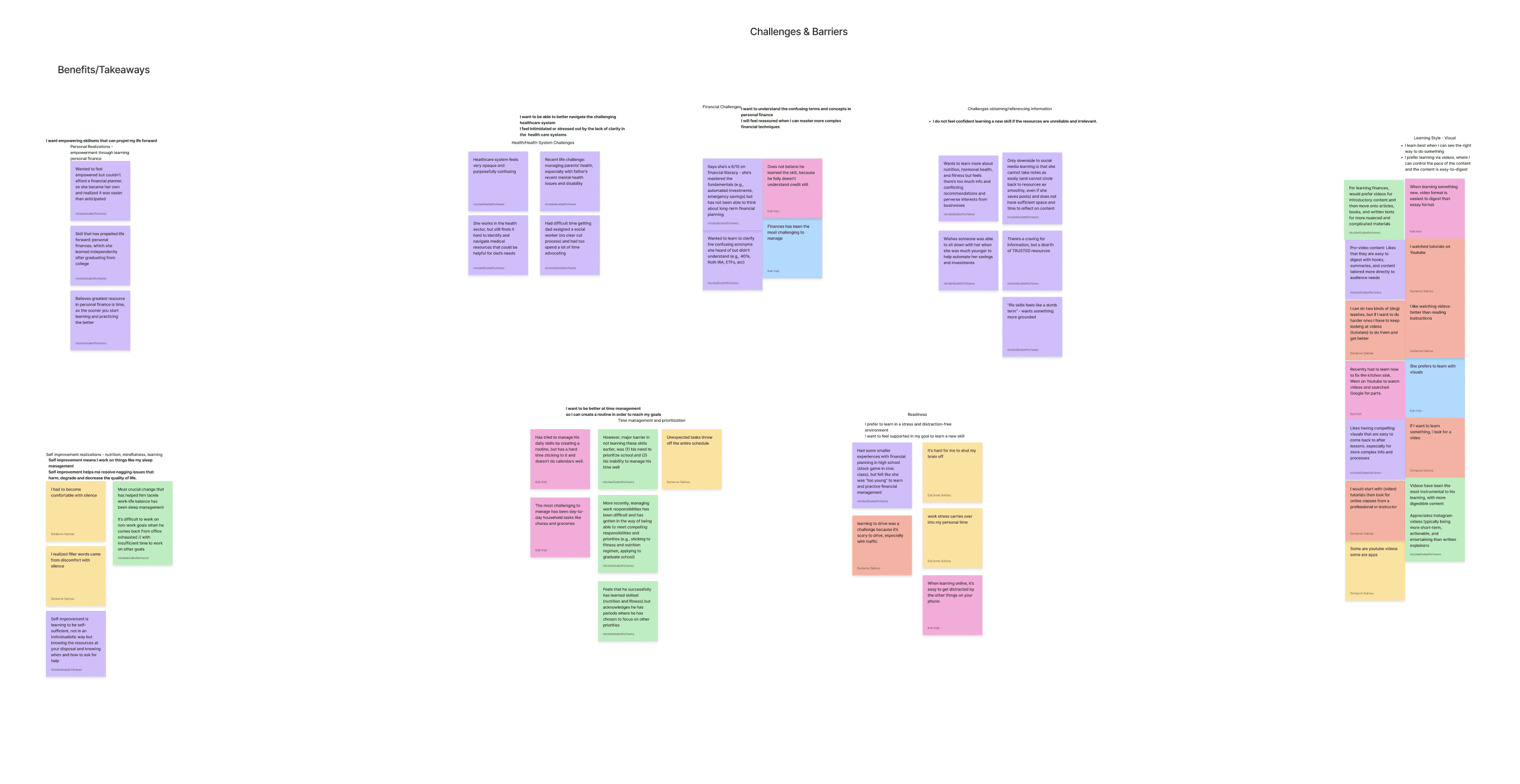
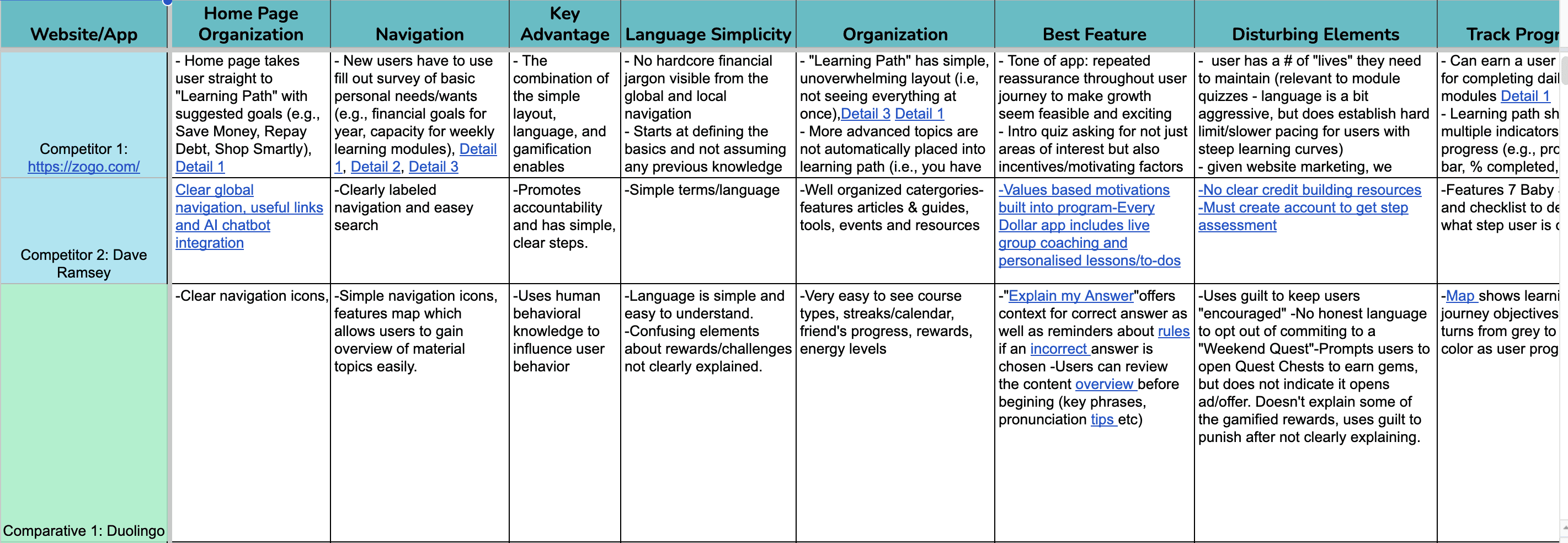
Through interviews with participants aged 20-60 and competitive analysis, we uncovered key insights:
Users feel intimidated by financial topics they "should already know"
They prefer diverse learning formats (video, quizzes, and gamification).
Community interaction increases motivation and accountability.
Clear roadmaps and visible progress improve confidence.
Personal finance emerged as the highest-priority learning need.
Users want to improve their financial literacy, but:
They feel behind.
They don't know where to start.
They struggle to stay engaged without visible progress.
They need reassurance that learning later in life is valid and achievable.
Normalize starting later in life.
Simplify complex concepts.
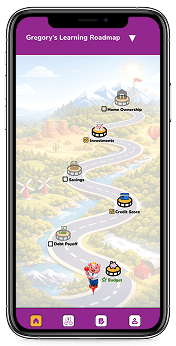
Provide clear learning roadmaps.
Reinforce progress through interaction and feedback.
Entry assessments to meet users where they are.
Personalized learning paths.
Clear course progression indicators.
Quiz-based reinforcement.
Interactive community spaces.
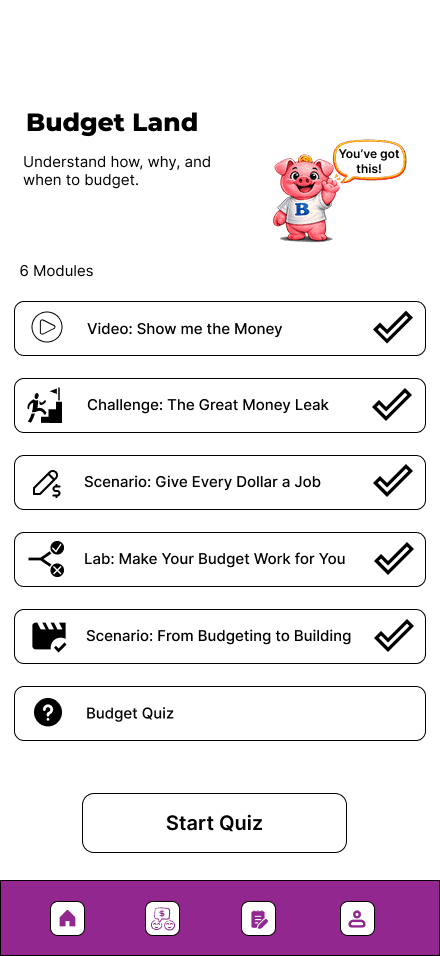
Learning guide, "Piggy B".
We established four guiding pillars:
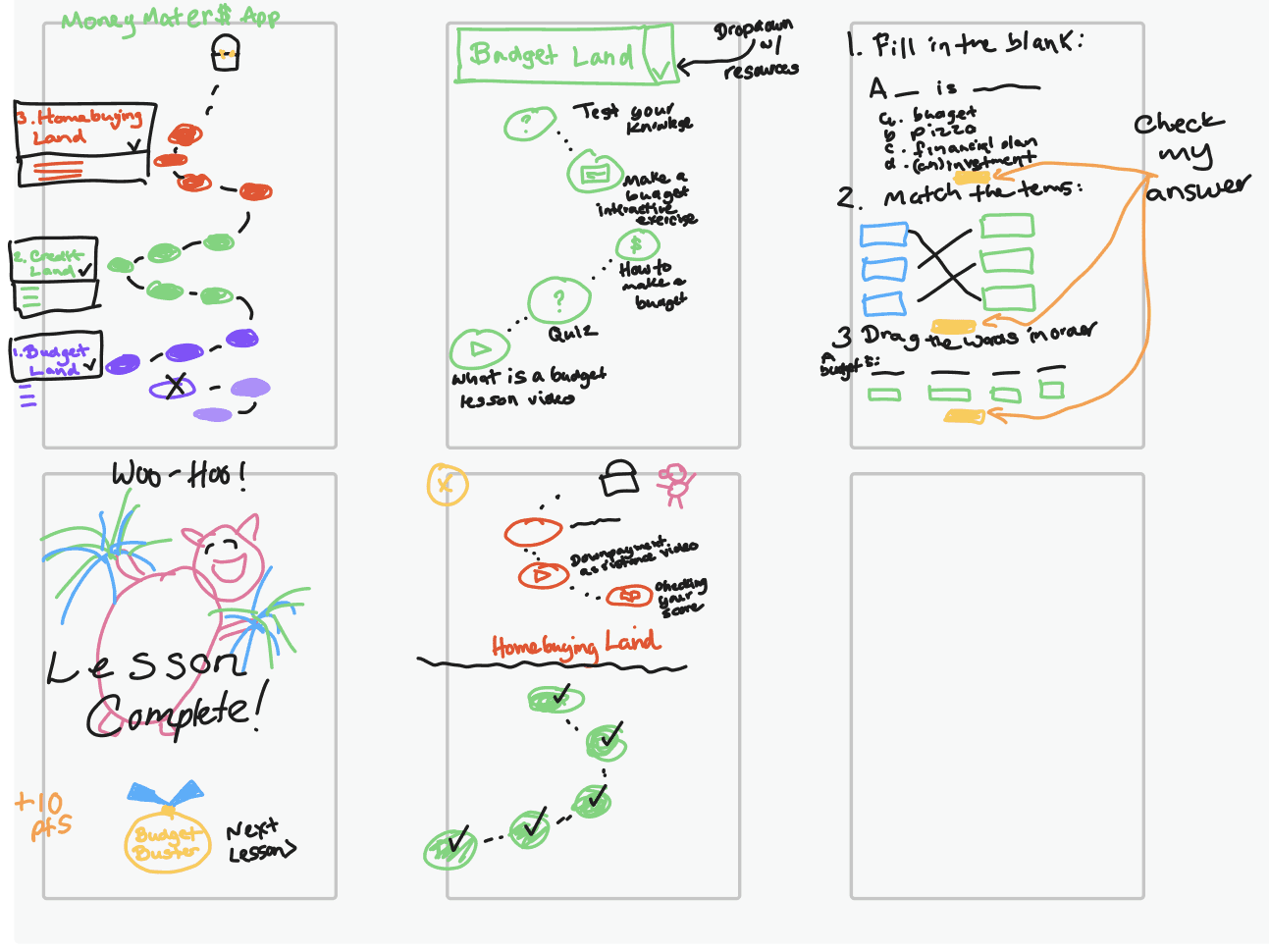
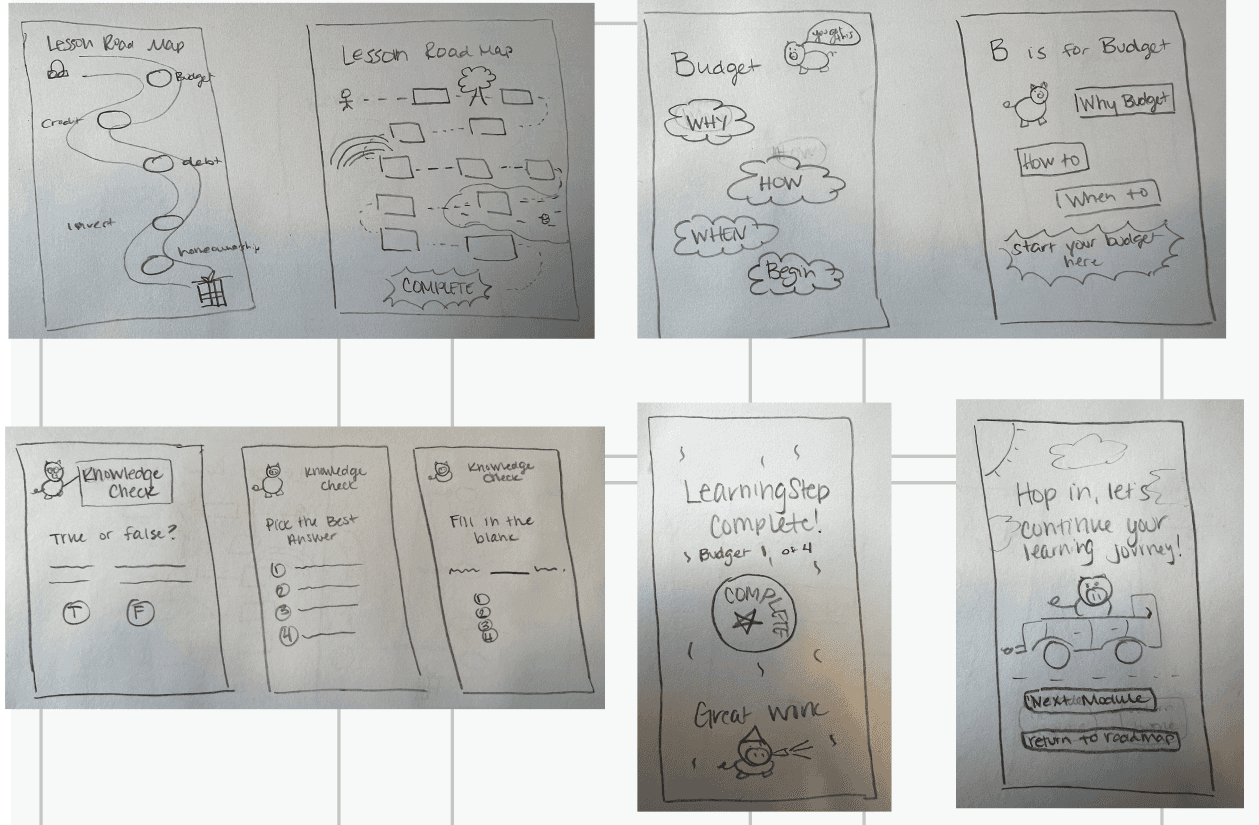
Wireframes focused on:
The final product included:
This project reinforced that:
Through collaborative sketching sessions, we explored solutions that addressed emotional barriers first, before focusing on feature expansion.
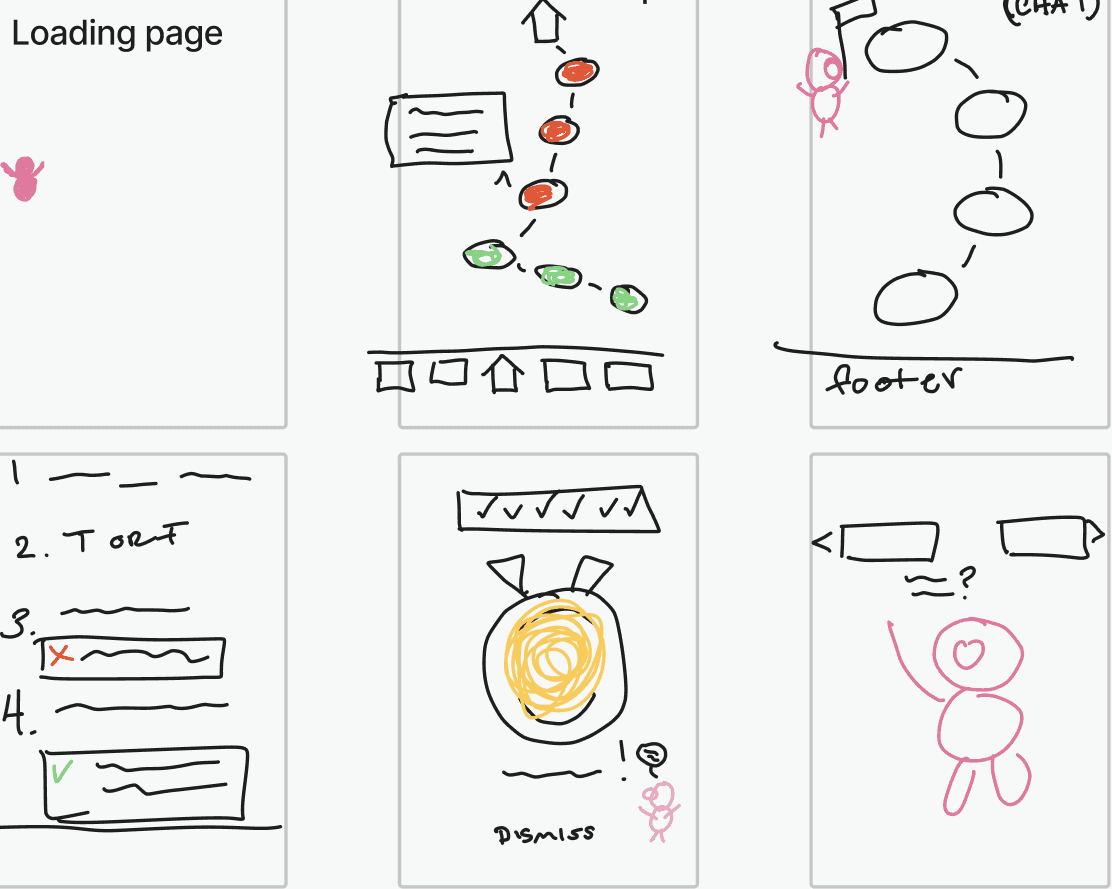
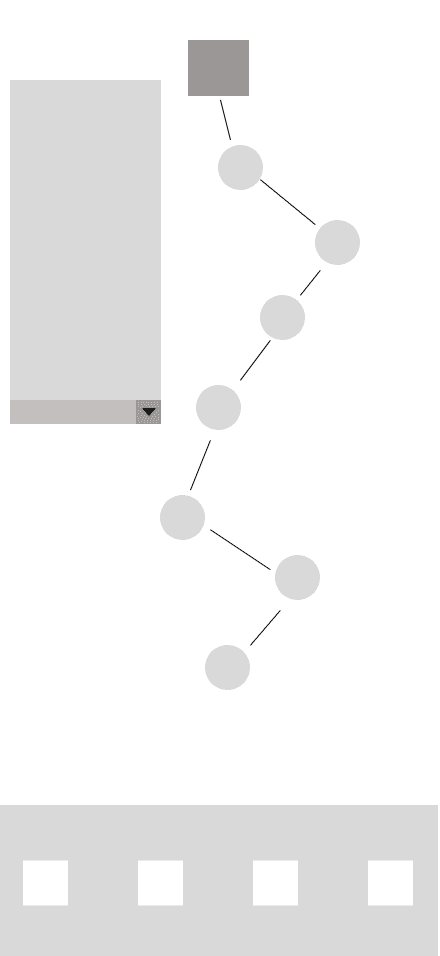

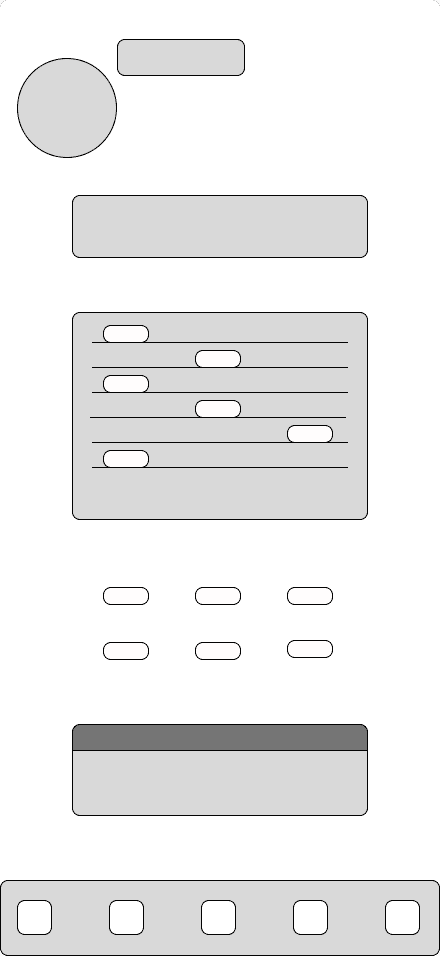
Round 1 (Lo-Fi): Improving Instructional Guidance
Clarifying tips, navigation cues, and quiz direction to reduce confusion.
Improved visibility of learning tips
Added button feedback states
Enhanced quiz instructions
Round 2 (Mid-Fi): Strengthening Engagement and Progress Visibility
Ensuring users feel oriented and rewarded throughout their journey.
Reinforced returning-user messaging
Fixed quiz interaction friction
Improved roadmap completion feedback
Personalized assessments
Encouraging, stigma-free messaging
Simplified financial language
Clear learning objectives and roadmaps
Interactive quizzes and progress tracking
Community chatrooms and video tutorials
Adult learning requires psychological reassurance as much as clarity.
Structure reduces intimidation.
Visible progress increases motivation.
Designing for vulnerability demands empathy and tone sensitivity.
Transforming insights into intuitive, goal-oriented wireframes.