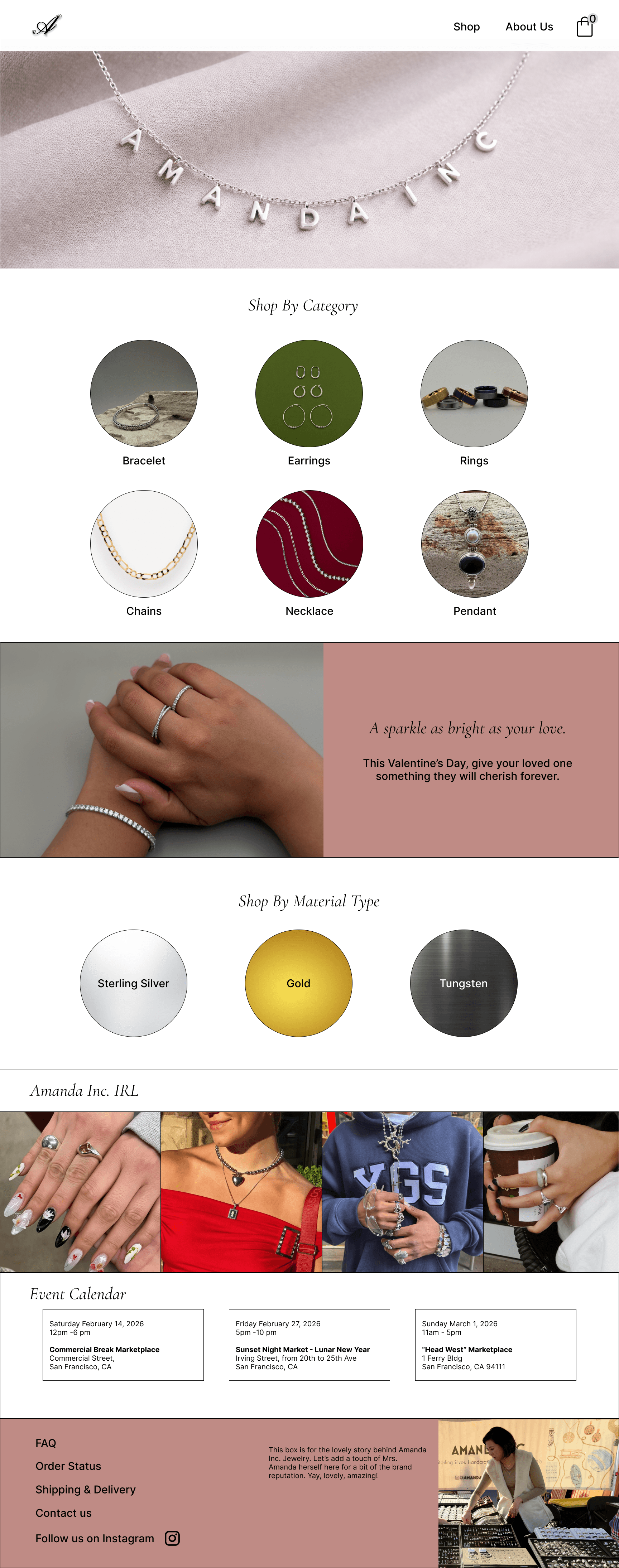
An e-commerce platform creation for a small family owned jewelry business.
Year:
2026
Role:
UX Designer
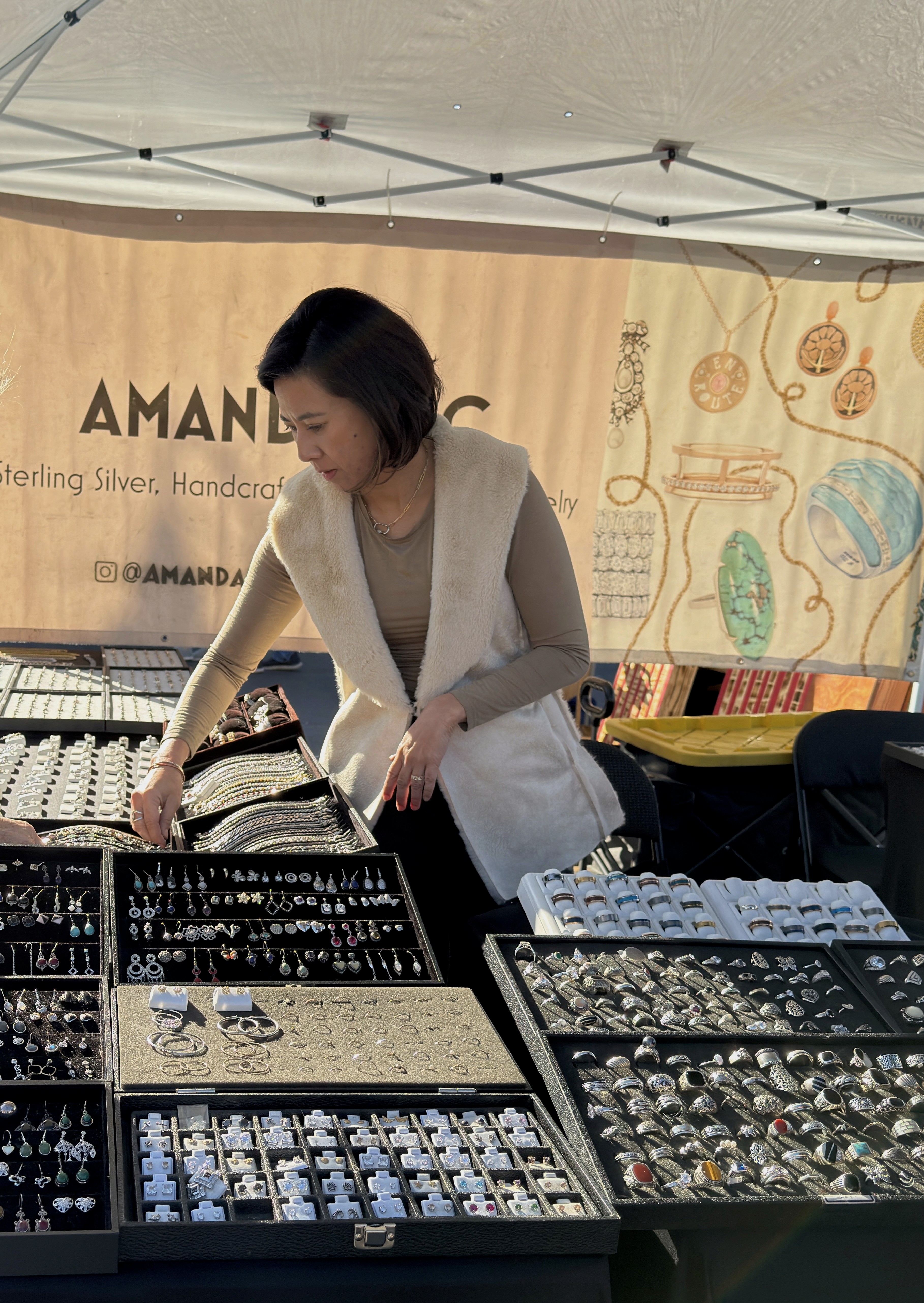
Bringing the Sparkle Home: Translating Boutique Service to E-Commerce
Amanda Inc. Jewelry, a family-owned jewelry business with over 40 years of expertise, had a goal of expanding online to scale their business while preserving the intimacy and credibility that defined their in-person experience.
We conducted an initial client kick-off meeting to better understand the scope of the project and key details such as; business goals, target audience, and brand background.
Replicating Human Trust into a Digital Environment
Customers rely on personal reassurance when purchasing fine jewelry. How do we replicate that online?
Moving online removed the face-to-face guidance customers depend on when evaluating quality, fit, materials, and authenticity. Without this reassurance, purchase hesitation increases.
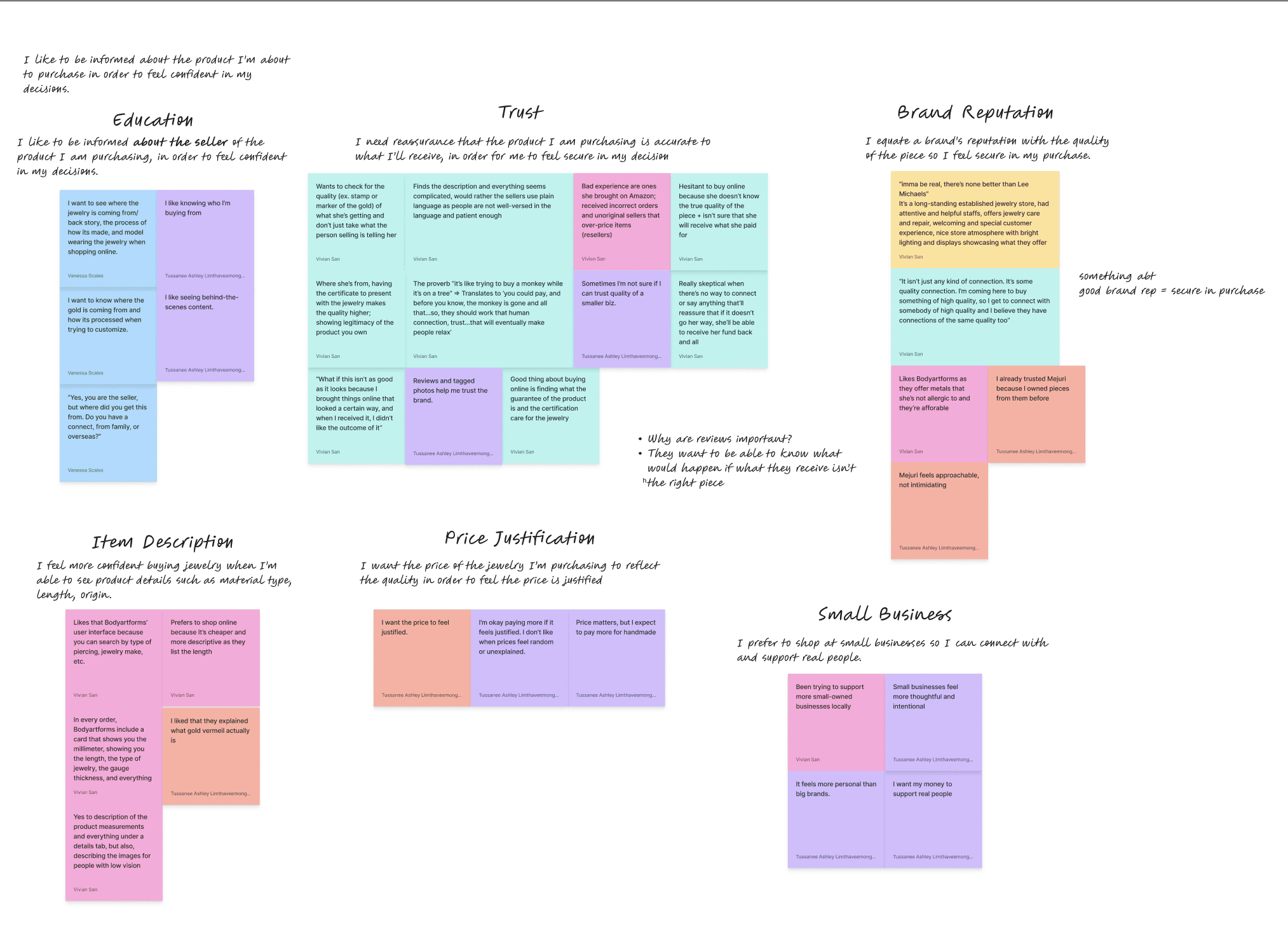
What jewelry customers need to feel confident online: Trust, transparency, and visual proof are critical drivers of purchase decisions.
We conducted user interviews, and synthesized our findings through an affinity mapping session to conclude that jewelry shoppers:
Buyers prioritize material transparency and product details.
Customers are willing to pay premium prices when value is clearly communicated.
Real customer photos and reviews increased purchase confidence.
Shoppers prefer supporting small businesses when they feel connected to the seller and their seller's story.
How might we build trust, clarity, and connection into the online shopping journey?
The shift from in-person to offering online shopping services, removes that human-to-human connection that customers often rely on when purchasing fine jewelry. Without in-person guidance, customers may feel uncertain about product details such as material quality, sizing, and how pieces will look on varying body types.
Customers need all of the above to make an informed purchase in addition to reassurance that the quality of the piece is reflected in the price and built to last.
Using the information gathered in our research, we were able to reframe the challenge into four guiding questions:
How might we infuse Amanda’s personal presence into the digital experience?
How might we clearly communicate size, scale, and fit across skin tones?
How might we increase transparency around material details and authenticity?
How might we ensure customers feel confident in the value of their purchase?
Building a trust-centered e-commerce framework
Every design decision focused on reducing hesitation and reinforcing credibility.
We translated research insights into four strategic pillars:
Humanizing the brand.
Increasing product transparency.
Reducing purchase anxiety.
Supporting confident decision-making.
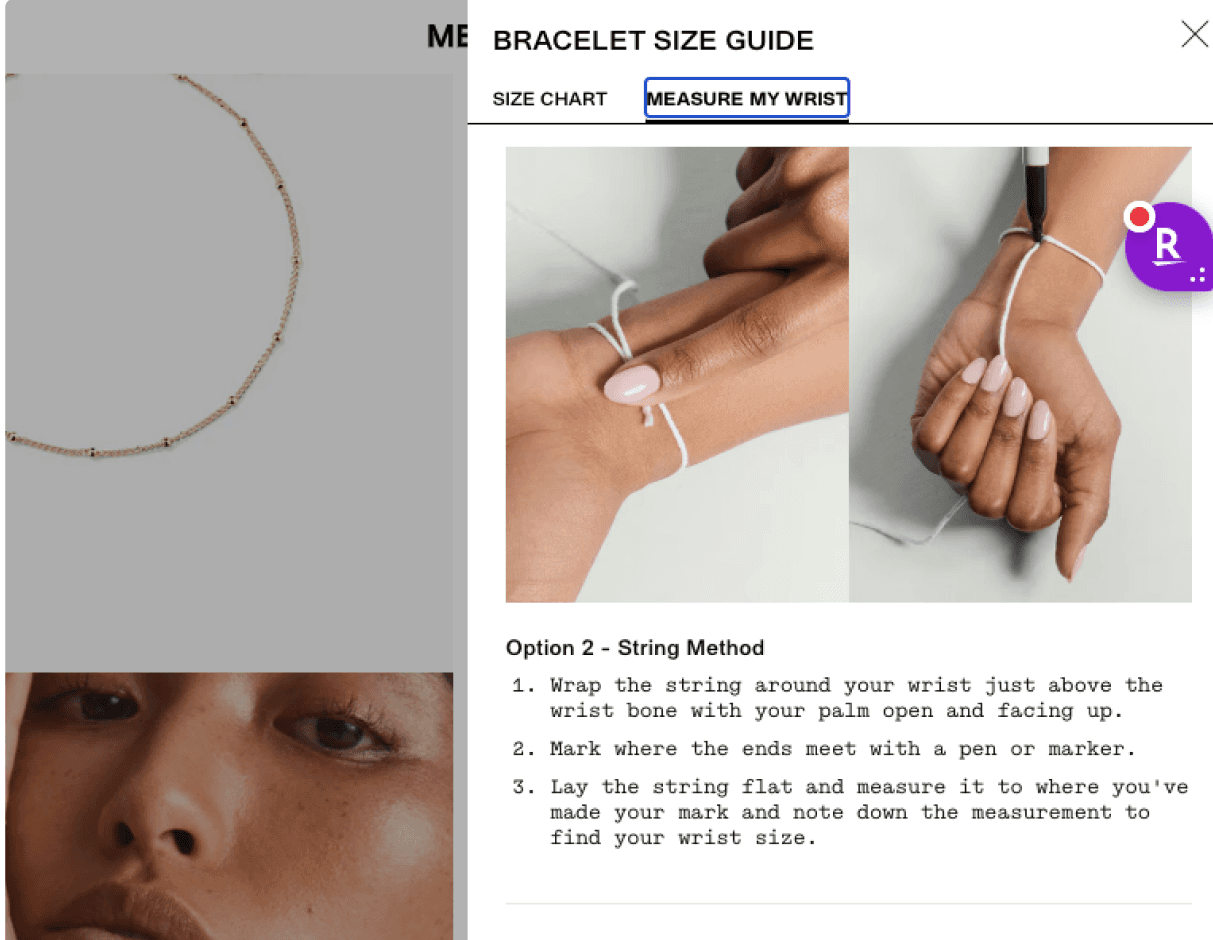
Using these guiding pillars, we conducted a competitive and comparative analysis on the following companies: Mejuri, Chula, Fenty, Universal Standard and Quince. From these companies, we learned good practices on how to achieve these pillars with step-by-step size guides, verified reviews with photos, and about the brand story page.
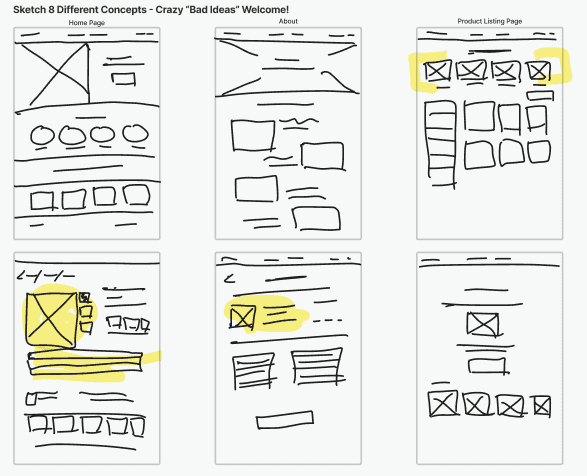
Using Design Studio and prioritization exercises to align on high-impact features.
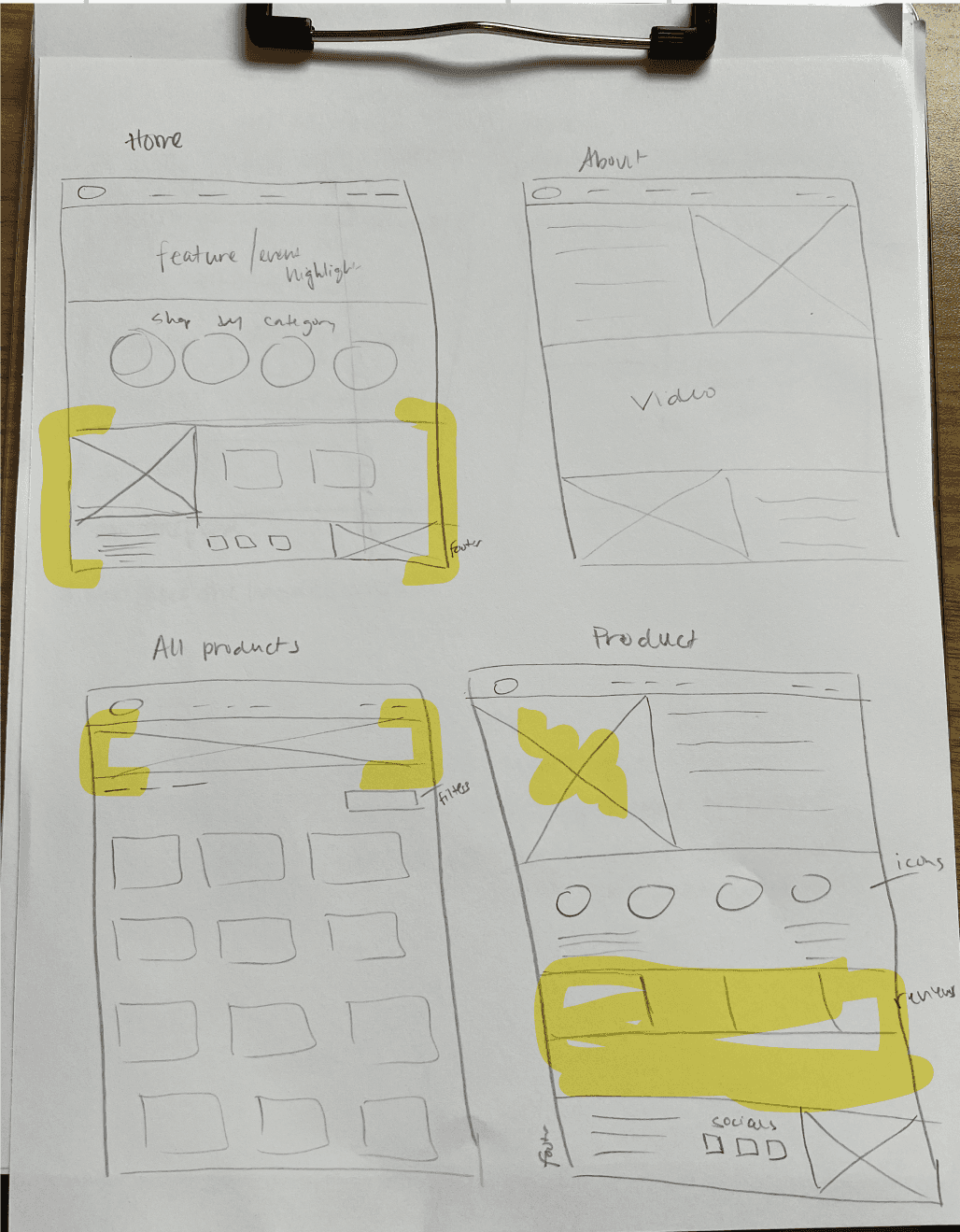
Through remote design sprints and sketching sessions, we rapidly generated and refined ideas that addressed high-priority trust gaps before moving into structured flows.
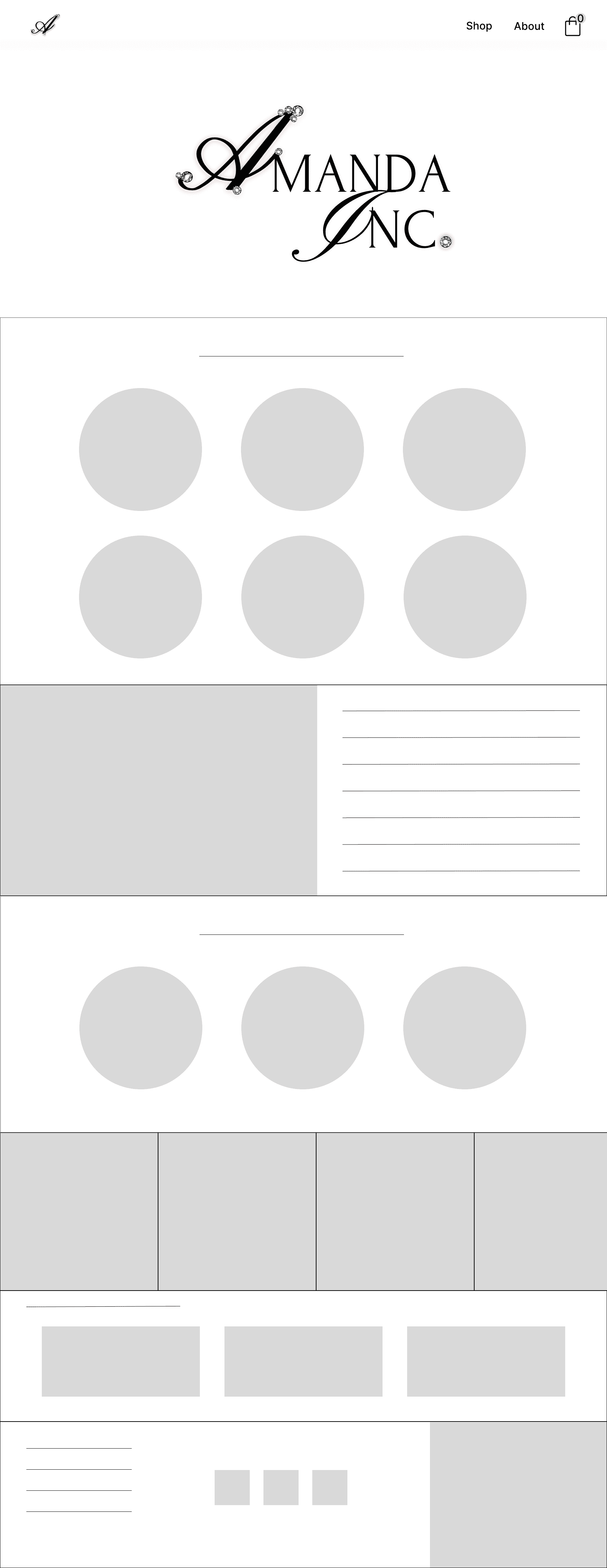
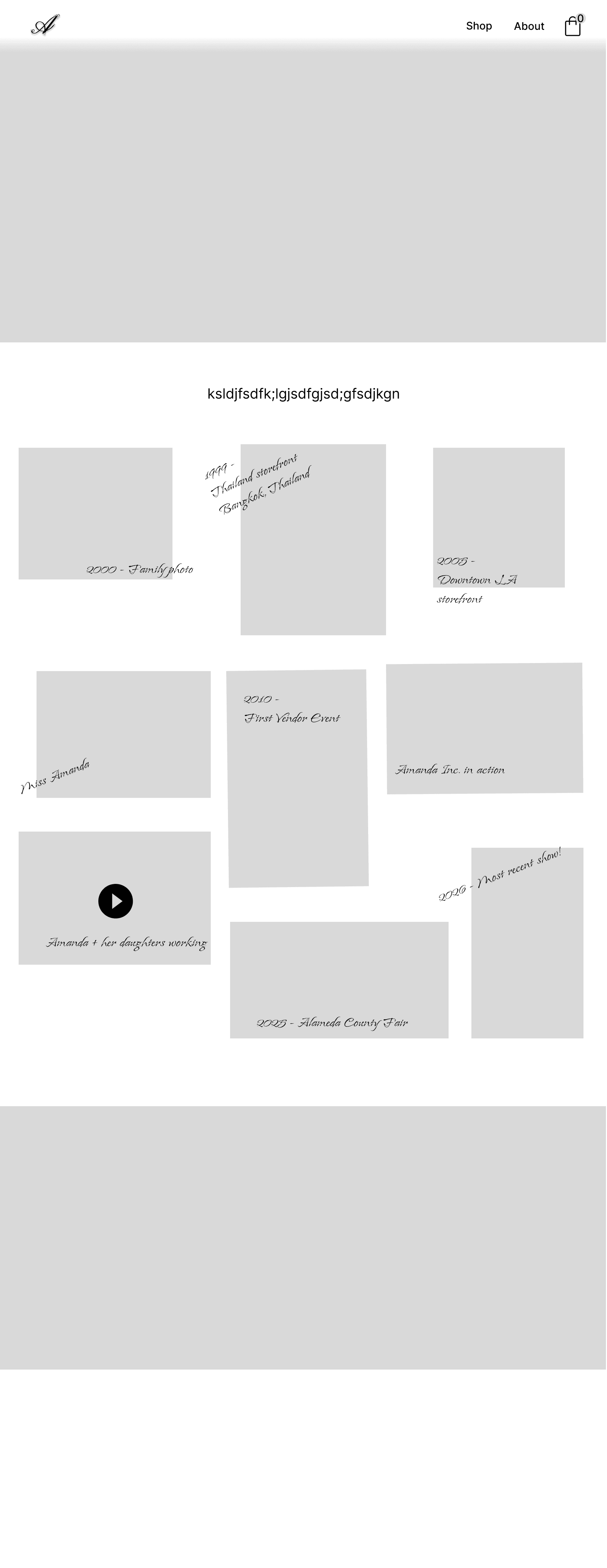
Evolving early concepts into wireframes that clarified hierarchy, product detail, and checkout confidence.
We then created wireframes which focused on:
Clear product specifications.
Prominent size guides.
Visible reviews and customer photos.
Seller storytelling touch points.
Three rounds of testing refined clarity, transparency, and purchase confidence.
Round 1 (Lo-Fi): Testing Information Hierarchy - Identified gaps in product detail visibility and trust signals.
Round 2 (Mid-Fi): Testing Product Page Clarity - Refined material explanations and size guide placement.
Round 3 (Hi-Fi): Testing Emotional Confidence - Validated that users felt informed, reassured, and ready to purchase.
An e-commerce platform designed to feel as reassuring as the in-person experience.
The final product reduced customer hesitancy and built transparency and trust through:
A dedicated "About the Brand" experience
Detailed material explanations
Interactive size guides
Real customer photography across various skin tones
Review-driven social proof
Clear value communication on product pages
This project reinforced that:
Trust is a design outcome, not just a brand value.
Transparency directly impacts willingness to purchase.
Human-centered storytelling can differentiate small businesses in competitive markets.